

Social Security identity theft can happen more easily than you might think. Thieves use various tactics, from stealing your mail to manipulating you into sharing personal information. They often exploit public Wi-Fi networks and employ phishing scams to trap unsuspecting victims. Understanding these methods is vital for protecting your sensitive data. But how can you recognize the signs and safeguard yourself effectively? Let’s explore the tactics that put your identity at risk.
Understanding Social Security Identity Theft: What You Need to Know
Have you ever wondered how easily someone can steal your Social Security number? Understanding this risk is essential in today’s digital age.
Your Social Security number is a key piece of information that grants access to various aspects of your identity, including credit and financial accounts. Thieves can exploit data breaches, phishing scams, or even physical documents left unsecured.
Once they obtain your number, they can impersonate you, making it imperative to safeguard this information. Regularly monitor your financial accounts and use strong passwords to enhance your security.
Being proactive about your personal information can greatly reduce the likelihood of becoming a victim. Stay informed and vigilant—it’s your best defense against identity theft.
Common Methods Used by Identity Thieves
While many might think identity theft only happens through high-tech hacks, thieves often rely on surprisingly simple methods. One common tactic is stealing your mail, where they grab bank statements or tax documents containing personal information.
Another method includes dumpster diving, sifting through your discarded paperwork for sensitive data. Thieves might also use social engineering, manipulating you into revealing personal details over the phone or online.
Additionally, public Wi-Fi networks can be exploited; if you access sensitive accounts on unsecured networks, your information can easily be intercepted. Ultimately, data breaches from companies can expose your Social Security number.
Being aware of these methods helps you take proactive steps to protect your identity from theft.
The Mechanics of Phishing Scams: How Thieves Trap You
Phishing scams are designed to deceive you into revealing personal information, often using urgency and familiarity to lower your defenses.
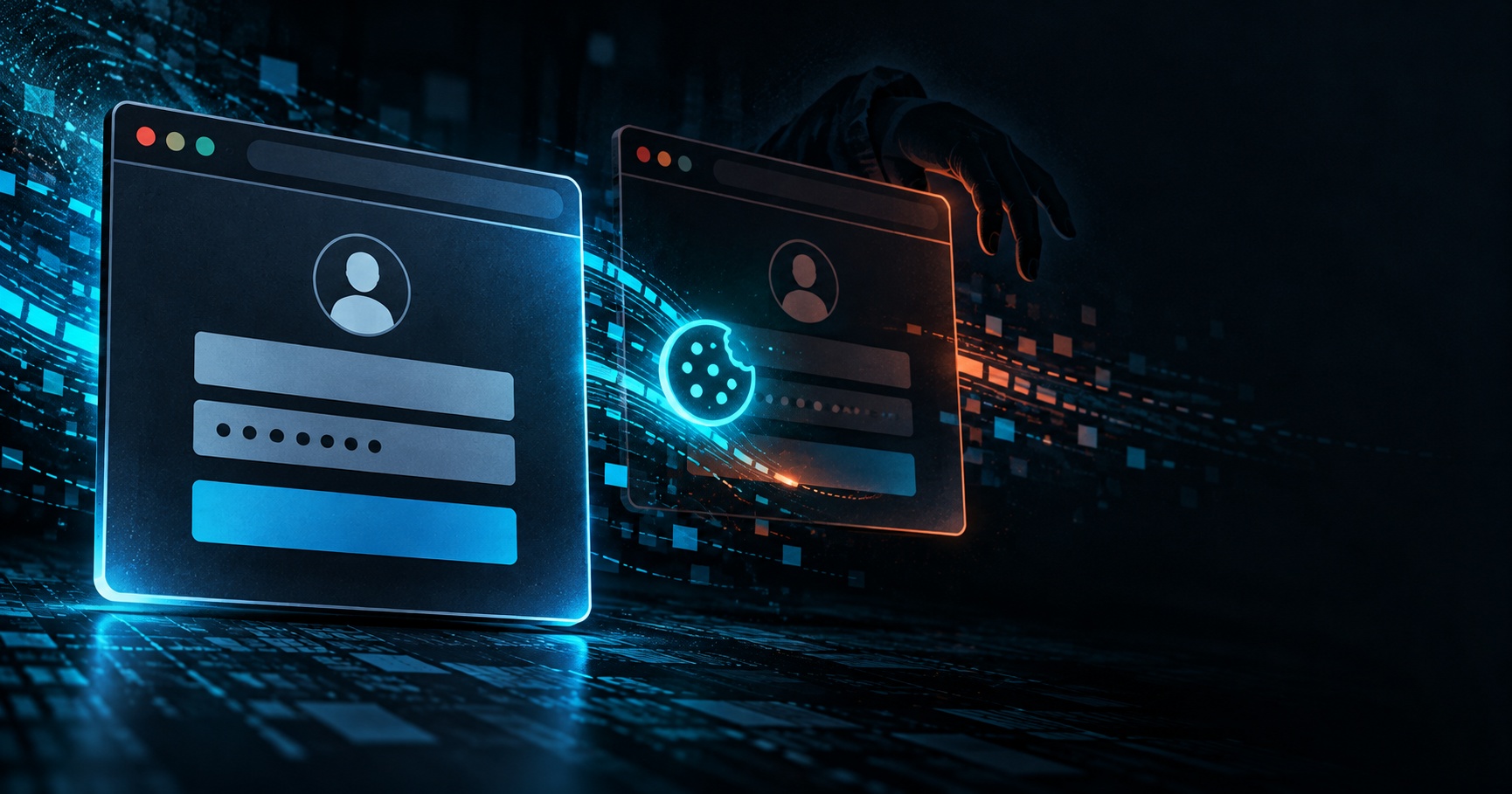
Thieves craft emails or messages that mimic trusted sources, creating a false sense of security. They might claim there’s a problem with your Social Security account, urging you to act quickly. By clicking on a link, you’re directed to a counterfeit website that looks legitimate, where you’re prompted to enter sensitive details like your Social Security number or bank information.
These tactics exploit your emotions—fear, curiosity, or trust—making it easy for you to overlook red flags.
Awareness of these mechanics helps you stay vigilant, ensuring you don’t fall victim to these deceptive schemes. Protect yourself by verifying sources before responding.
Public Wi-Fi: A Hidden Risk to Your Data
When you connect to public Wi-Fi, you’re opening the door to potential data breaches that can jeopardize your personal information.
Cybercriminals often set up rogue hotspots that mimic legitimate networks, tricking you into connecting. Once connected, they can intercept your data, including login credentials and sensitive details like your Social Security number.
Even encrypted sites aren’t foolproof; determined attackers can exploit vulnerabilities to access your information.
Avoid accessing sensitive accounts or entering personal data on public networks. Always use a virtual private network (VPN) for an added layer of security.
What to Look For in Phishing Emails?
Cybercriminals are constantly evolving their tactics, and phishing emails are a common method used to steal personal information, including your Social Security number.
To protect yourself, watch for several key indicators. First, check the sender’s email address; it often looks suspicious or slightly altered. Look for generic greetings like “Dear Customer” instead of your name.
Be wary of urgent language urging immediate action or threats regarding your account. Links within the email may lead to fake websites, so hover over them to see the actual URL before clicking.
Finally, poor grammar and spelling errors are red flags. If something feels off, trust your instincts and don’t engage. Always verify directly with the organization if you’re uncertain.
How Data Breaches Put Your Identity at Risk
Data breaches can expose your personal information, leaving you vulnerable to identity theft. When hackers infiltrate organizations, they often access sensitive data like Social Security numbers, addresses, and financial details.
Once this information is compromised, it can be sold on the dark web or used directly to impersonate you. You may not even realize you’re a victim until unauthorized accounts appear in your name. Companies may not inform you immediately, giving scammers time to act.
Regularly monitoring your accounts and using strong, unique passwords can help mitigate risks. Additionally, consider enrolling in identity theft protection services that alert you to suspicious activity.
Staying proactive is essential to safeguard your identity in an increasingly digital world.
Recognize Social Engineering Tactics to Protect Yourself
Although many people think of identity theft as a technical issue, social engineering tactics often play a crucial role in these schemes. Thieves exploit human psychology, manipulating you into revealing sensitive information. They might pose as bank representatives or government officials, using urgency or fear to pressure you.
You may receive phishing emails that appear legitimate, urging you to click links or provide personal data. Always scrutinize unsolicited communications; verify the sender’s identity independently. Be cautious about sharing details over the phone or online.
Trust your instincts—if something feels off, it probably is. By recognizing these tactics, you can better protect yourself from falling victim to identity theft and safeguard your Social Security information.
The Dangers of Sharing Personal Information on Social Media
Sharing personal information on social media can greatly increase your risk of identity theft. When you post details like your full name, birthday, or address, you’re providing potential thieves with the keys to your identity.
They can use this information to impersonate you, accessing your accounts or applying for loans in your name. Even seemingly harmless posts about your recent vacation can signal to criminals that your home is unguarded.
Friends and family often unwittingly share personal details that can further expose you. The more you share, the easier it becomes for someone to construct a detailed profile, making it vital to think twice before posting.
Protecting your privacy online is essential to safeguarding your identity.
Steps to Safeguard Against Identity Theft
To effectively safeguard against identity theft, you need to adopt a proactive approach that combines vigilance and smart practices.
First, monitor your bank and credit card statements regularly for unauthorized transactions. Use strong, unique passwords for your online accounts and enable two-factor authentication whenever possible.
Shred documents containing personal information before disposal, and be cautious about sharing sensitive data over the phone or online. Keep your Social Security card in a secure place, and consider placing a credit freeze with major bureaus to limit access to your credit report.
Finally, educate yourself about common scams and phishing tactics to recognize threats early. By implementing these measures, you can notably reduce your risk of falling victim to identity theft.



Leave a Reply